
In this guide
Read the material words separately
Start with the parts you can name: base metal, surface finish, stones or beads, adhesive if present, and the metal in contact with the ear or neck. A listing may specify only some of these. Gold coloured describes appearance. Gold plated describes a surface over another material but does not by itself tell you the base or thickness. Antiqued and oxidised may describe an intentional dark finish. If the description is unclear, ask for the supplier's wording and the maker's care instructions for the particular item. Do not fill in the missing chemistry from the colour of a photograph.
Keep a picture of the piece when it is new to you. Use ordinary light and include both the front and reverse. That picture can help you distinguish the original dark detail around a raised motif from a later patch appearing near a clasp. If the piece is a gift or secondhand purchase, ask its owner what they know about past care. A previous polishing treatment or repair may affect what is safe now. Uncertainty is a good reason to begin with less intervention, not a challenge to try several household methods until one produces a visible result.
Look at the location of a change
Examine the areas that repeatedly touch skin, clothing, a bag strap or the back of another pendant. A surface that looks different along raised edges or at a clasp may have worn rather than merely become dirty. Polishing cannot replace plating that has been removed. Rubbing harder may strip more of the finish. Equally, colour in deep recesses may be deliberate and important to the pattern. Look at the whole piece and its matching partner before deciding that every dark or pale area is evidence of a problem requiring the same treatment.
Check that stones, beads, posts and closures are secure before handling the piece further. A loose fitting is a repair question, not a cleaning opportunity. Put a damaged earring in its own labelled container and keep any detached component with it. If the back or post is bent, avoid repeated bending in an effort to make it feel new. Ask the maker or a jeweler familiar with the material whether repair is practical. A modestly priced object can still deserve professional advice if it has personal significance or belongs to someone else.
Build a routine around avoiding unnecessary exposure
Put jewelry on after applying personal care products and allowing them to dry as directed. Remove pieces before activities involving water, sweat, cleaning products or friction when the maker advises doing so. Remember the less obvious contact points: a necklace beneath a rough collar, a bracelet sliding against a desk and an earring catching on the edge of a scarf. The aim is not to keep jewelry in a box forever. It is to notice repeated wear you could reduce simply by changing the order of dressing or choosing a different piece for one particular activity.
When you take items off, put them in a clean dedicated place instead of a bathroom dish beside a sink. Keep pairs together but prevent their decorated surfaces from grinding against each other. Undo tangles gently with the pieces supported rather than pulling on a clasp. Make sure any storage materials are suitable for the metal and finish and that the jewelry is dry before closing a container. Do not pack several finishes into one small pocket for a journey and expect a soft outer pouch to stop pieces rubbing against one another on the inside.
Be careful about anything described as a universal cleaner
A technique suitable for plain solid metal may be unsuitable for thin plating, pearls, glued components, coloured coatings or deliberately darkened detail. Avoid improvised acids, abrasives, toothpaste and chemical dips unless the maker explicitly recommends a product and method for the complete piece. Do not assume an ultrasonic device is safe because the item fits in its basket. A soft cloth intended for polishing one metal may contain a treatment you do not want on another. Read what the cloth is designed to do rather than treating all soft looking squares as interchangeable.
For ordinary handling, follow the supplied guidance, which may be limited to a gentle dry wipe with a clean appropriate cloth. Do not scrub around a raised motif to see how bright you can make it. If the item is unfamiliar or a change is spreading, stop and ask someone qualified to assess it. Describe the material as stated, the position of the change and anything it contacted. Include the original photograph if available. A clear description can save a professional several guesses and may prevent you paying for a treatment that would remove exactly what you wanted to preserve.
If only one earring has changed, take both to an assessment. The second piece gives the jeweler a reference for the original depth of colour and shows how noticeable a proposed repair would be when the pair is worn together. Ask to discuss the result before treating either one.
Decide what you want from a repair
If the surface is worn, ask whether refinishing is possible, what it would change and how it might affect stones, detail or sentimental marks. Get an estimate before leaving the piece. Replating may be reasonable for a much loved object and uneconomical for another; that is a personal judgment rather than a universal rule based on original price. You may prefer to keep evidence of ordinary wear if the piece is sound and comfortable. Do not lend or sell it with an assurance about metal content you cannot support. Share the known description and the uncertainty honestly.
For future purchases, choose a finish that fits your habits. Somebody who forgets to remove earrings before swimming may need a different everyday pair or a better removal routine, not a stronger polish for a delicate pair. Ask about contact materials if you have a known sensitivity and stop wearing a piece that irritates you. Store the care note with the item reference rather than relying on memory of what a similar necklace needed. Looking after jewelry starts well before cleaning: it starts with knowing what you own and recognising which changes are not yours to rub away.
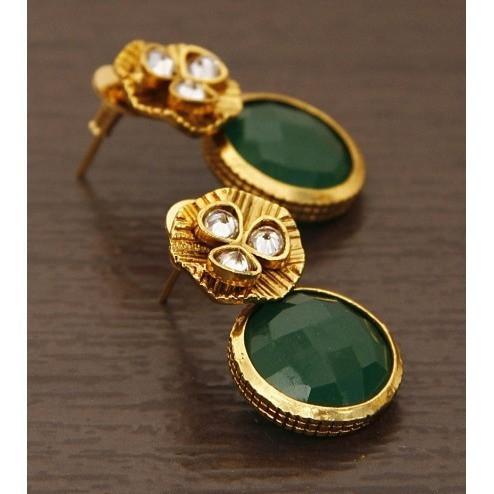 Aradhyaa Jewel Arts · EarringsBlue & Golden Embellished Earrings
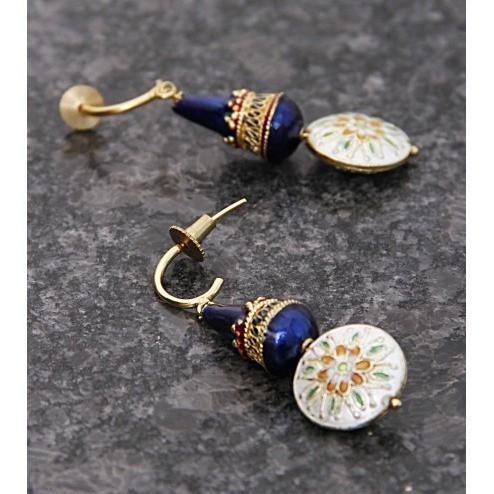 Aradhyaa Jewel Arts · EarringsBlue & White Embellished Earrings
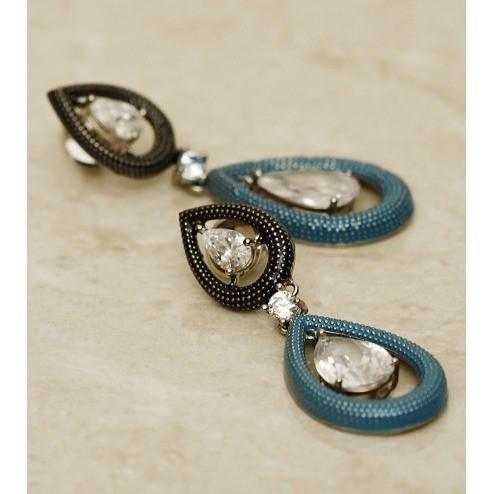 Aradhyaa Jewel Arts · EarringsBlue Teardrop Embellished Earrings
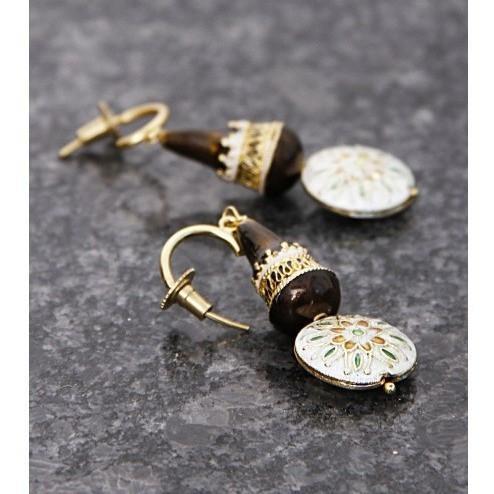 Aradhyaa Jewel Arts · EarringsBrown & White Embellished Earrings